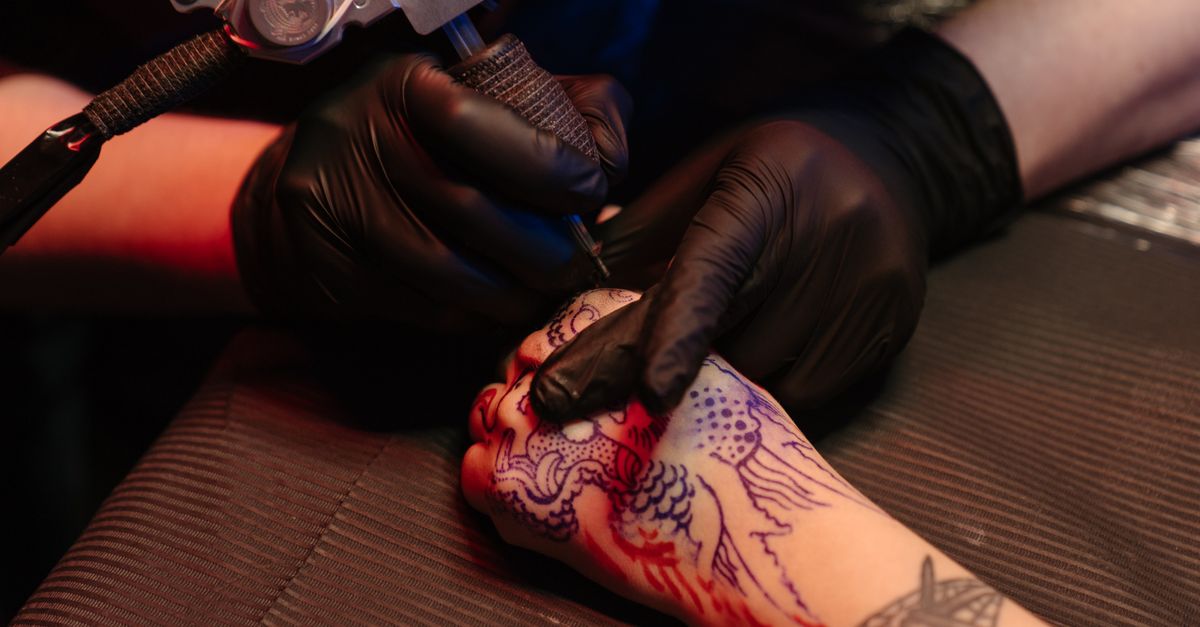
Best Practices for Watercolour Tattoo Aftercare
Table Of Contents
Avoiding Common Aftercare Mistakes
Proper aftercare is crucial to ensure that your watercolour tattoo heals beautifully and retains its vibrant colours. One of the most frequent mistakes after getting inked is neglecting to cleanse the area correctly. Using harsh soaps or scrubbing the tattoo can lead to irritation and compromise healing. Instead, opt for mild, fragrance-free cleansers. Gentle patting to dry the area is also recommended; never rub the tattoo as this can cause unnecessary trauma to the skin.
Another common error is skipping moisturisation. Once the initial healing phase has passed, keeping the tattoo moisturised is essential to prevent dryness and maintain colour integrity. Many people erroneously assume that once the tattoo looks healed, they can stop applying lotion. In reality, ongoing moisturisation supports the skin’s elasticity and helps preserve the artwork's clarity. Choosing a suitable lotion free from synthetic additives will aid in long-lasting vibrancy.
Things Not to Do in the First Week
During the first week post-tattoo, it’s crucial to avoid soaking your tattoo in water. This means skipping baths, swimming pools, or hot tubs, as prolonged exposure to water can lead to colour loss and increase the risk of infection. Keeping the tattoo dry helps promote proper healing and prevents the ink from bleeding out, which can affect the final result.
Another mistake to steer clear of is picking at scabs or peeling skin. While it may be tempting, disrupting the healing process can result in uneven texture and faded areas in the design. Gentle cleansing with a mild soap and patting the tattoo dry is the best approach, allowing the natural healing process to unfold without interference.
Long-term Tattoo Maintenance
Maintaining the vibrancy of a watercolour tattoo requires a commitment to proper care long after the initial healing phase. Avoiding excessive sun exposure is vital, as ultraviolet rays can cause fading over time. Applying sunscreen on the tattooed area when out in the sun acts as a protective barrier, helping to preserve the colours. Regular moisturisation keeps the skin hydrated, which contributes to the longevity of the tattoo’s appearance.
Retouching can be a valuable step in long-term tattoo maintenance. Some colours may fade more significantly than others, necessitating periodic appointments with a professional tattoo artist to refresh the ink. Additionally, staying mindful of the skin's condition ensures that any signs of wear or damage are addressed promptly, which can prevent the tattoo from losing its original integrity. Using gentle, fragrance-free products also supports the health of the skin surrounding the tattoo.
Keeping Colours Vibrant Over Time
Maintaining the vibrancy of a watercolour tattoo requires consistent care and attention. Regular moisturising can significantly enhance the longevity of the colours. Use a fragrance-free, natural moisturiser to prevent the tattoo from drying out. Sun exposure can also fade colours, so applying a broad-spectrum sunscreen when the tattoo is exposed can help protect it. Consider wearing protective clothing or seeking shade to minimise damage from UV rays.
Additionally, keeping the tattoo clean will prevent the build-up of dirt and oils that can dull its appearance. Regularly wash the area with mild, fragrance-free soap, and pat it dry to avoid irritation. Avoid soaking in pools or hot tubs, as chlorine and chemicals can affect the vibrancy of watercolour designs. Following these simple practices will help in preserving the beauty of your artwork over time, ensuring that it continues to look fresh and stunning.
Signs of Infection to Watch For
It is crucial to monitor the healing process of your watercolour tattoo closely. Redness around the tattoo site is common in the initial days following application; however, if the redness persists or intensifies beyond this period, it may be a cause for concern. Similarly, swelling that continues to grow rather than subside can indicate an adverse reaction. Look out for warmth emanating from the tattooed area, as this sensation can sometimes signify an underlying issue.
Another critical sign to be aware of is the presence of any unusual discharge. If a yellow or green fluid begins to leak from the tattoo, this could point towards an infection. Additionally, extreme pain or discomfort surrounding the area is not typical and warrants a visit to a healthcare professional. Being vigilant for these symptoms will help ensure that any potential complications are addressed promptly.
Recognising Unhealthy Symptoms
It's important to be vigilant for signs that may indicate an infection or complications with your watercolour tattoo. If you notice increased redness around the tattooed area that expands rather than fades over time, it may be a sign of an adverse reaction. Swelling that does not subside or worsens can also suggest an issue. Pay close attention to any unusual discharge; pus-like fluid or a foul odour is particularly concerning.
Another symptom to monitor is persistent pain that intensifies instead of diminishing. This may suggest that something isn’t healing as it should. Fever or chills accompanying these symptoms can further signal an infection. If any of these signs appear, seeking professional medical advice promptly can help address potential complications before they escalate.
FAQS
What should I avoid during the first week of watercolour tattoo aftercare?
During the first week, avoid soaking your tattoo in water, exposing it to direct sunlight, picking or scratching the area, and wearing tight clothing that may irritate the skin.
How can I keep my watercolour tattoo's colours vibrant over time?
To maintain vibrant colours, regularly moisturise your tattoo with a fragrance-free lotion, avoid excessive sun exposure, and consider using sunscreen on the tattoo when outdoors.
What are the signs of infection I should look out for after getting a watercolour tattoo?
Signs of infection can include increased redness, swelling, warmth, pus or unusual discharge, and persistent pain. If you notice these symptoms, consult a medical professional immediately.
Can I apply makeup over my watercolour tattoo?
It's best to avoid applying makeup directly over a new tattoo until it has fully healed. Once healed, ensure the products you use are non-comedogenic and suitable for sensitive skin.
How long does it take for a watercolour tattoo to heal completely?
A watercolour tattoo typically takes about 2 to 3 weeks to heal on the surface, but complete healing of the deeper layers may take several months. Proper aftercare can aid in the healing process.
Related Links
Aftercare Guidelines for Blackwork Tattoos in AustraliaEssential Aftercare Tips for Traditional Tattoos in Perth
Tips for Healing and Maintaining Colourful Tattoos
Aftercare Strategies for Dotwork Tattoos
Keeping Your Neo-Traditional Tattoo Vibrant: Aftercare Advice
Aftercare Techniques for Realistic Portrait Tattoos