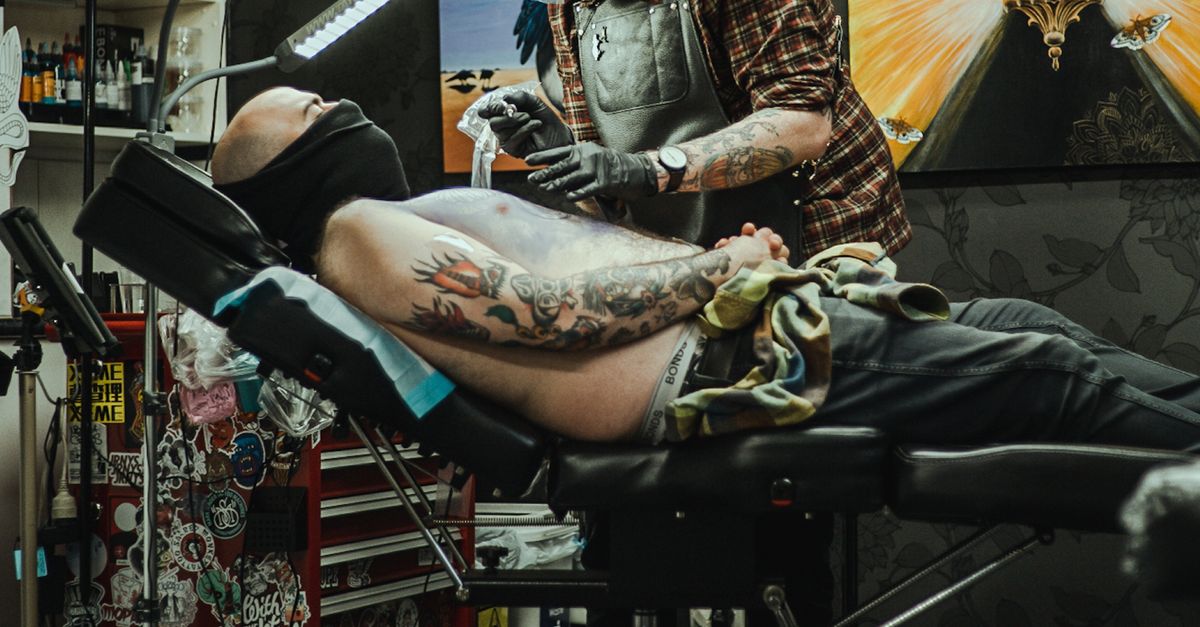
Booking Appointments: What to Expect in Perth Tattoo Shops
Table Of Contents
The Day of Your Appointment
Your tattoo appointment day has arrived, and it's essential to prepare adequately. Make sure you’ve eaten a good meal beforehand, as this can help with stamina during the session. Bring along any reference materials or designs you wish to incorporate into your tattoo. Arriving on time is crucial, as punctuality ensures that your artist can give you the full attention your design deserves.
Walking into the shop, you'll be greeted by a professional atmosphere. The tattoo artists are usually busy, but don't hesitate to communicate with the receptionist about your arrival. After a brief check-in process, your artist may take some time to discuss the final details of the design, including placement and colour choices. It’s also common for artists to review aftercare instructions at this stage, ensuring you're well-informed before the tattooing begins.
What to Expect Upon Arrival
Upon arriving at your tattoo appointment, you will likely notice the welcoming atmosphere of the shop. Many studios take pride in their decor, which often reflects their artistic style and overall vibe. A friendly staff member will greet you and confirm your appointment details. You may be asked to fill out a consent form, which typically includes information regarding your health and any allergies.
After the initial check-in, you might spend some time discussing your design with the tattoo artist. This conversation is important for ensuring that both you and the artist are aligned on the specifics of the tattoo. The artist may provide suggestions to enhance the design based on their expertise. Once everything is agreed upon, you’ll be escorted to the tattoo station, where the final preparations will be made for your session.
Aftercare Instructions
Taking care of your new tattoo is crucial for ensuring proper healing and maintaining its quality. Keep the tattoo covered with a bandage or protective wrap for the first few hours after the session. After removing the bandage, gently wash the area with lukewarm water and a mild, unscented soap. Pat the tattoo dry with a clean towel, avoiding any rubbing that could irritate the skin. It's important to apply a layer of fragrance-free moisturiser or a tattoo aftercare cream to keep the skin hydrated and promote healing.
During the healing process, avoid soaking the tattoo in water, such as in baths or pools, for at least two weeks. Sun exposure can be damaging, so keep the tattoo covered when outdoors or apply a high-SPF sunscreen once it has fully healed. Picking at scabs or scratching the tattoo can lead to significant problems, including infection or loss of colour. Staying consistent with aftercare will contribute to a vibrant, well-defined tattoo that you'll be proud to showcase.
Tips for Proper Tattoo Healing
Proper tattoo healing begins with keeping the area clean and protected. After getting your tattoo, avoid submerging it in water for extended periods. This includes swimming pools, oceans, and baths. Gently wash the tattoo with mild soap and lukewarm water, then pat it dry with a clean towel. Moisturising is essential; use a fragrance-free lotion or a tattoo aftercare cream to prevent excessive drying and itching.
It's also important to avoid exposing your new tattoo to direct sunlight. UV rays can fade the pigment and affect healing. Consider wearing loose clothing over the tattoo during the healing process to prevent irritation. Avoid picking or scratching the area, as this can lead to scarring or infection. Knowing these key points can significantly influence the healing experience and ensure that the tattoo looks vibrant for years to come.
Common Myths About Tattoo Pain
Many people believe that getting a tattoo is an overwhelmingly painful experience. While some discomfort is inevitable, the intensity of pain varies greatly from person to person. Factors such as individual pain tolerance, tattoo location, and size influence the sensation felt during the process. For example, areas close to bone or with less flesh, like the ribs or elbows, tend to be more painful than fleshier areas like the upper arm or thigh.
Another common misconception is that tattoos are excruciatingly painful from the moment the needle touches the skin. Most clients report a feeling that is more akin to a persistent scratching or buzzing sensation. Many also find that the initial shock of the needle quickly subsides, allowing them to acclimatise to the sensation. Awareness of these realities can alleviate some of the anxiety surrounding the tattoo process.
Exploring Pain Levels During the Process
Pain levels can vary significantly from person to person. Factors such as individual pain tolerance, the location of the tattoo, and the size of the design play a crucial role in the overall experience. Generally, areas with more flesh and muscle tend to hurt less compared to those with thinner skin or closer to bones, like the ribcage or elbow. It's essential to communicate with your tattoo artist throughout the process, as they can adjust their technique or take short breaks if the discomfort becomes overwhelming.
Many clients report feeling a mix of sensations, often describing it as a scratching or stinging feeling. The buzzing sound of the tattoo machine can also amplify the intensity of the pain for some. Understanding that pain is typically temporary can help ease anxiety. Most tattoo shops create a comfortable environment, allowing clients to relax and focus on the art being created rather than the sensation itself.
FAQS
How far in advance should I book my tattoo appointment in Perth?
It's recommended to book your tattoo appointment at least a few weeks in advance, especially if you're looking to get tattooed by a popular artist or during peak times.
What should I bring with me to my tattoo appointment?
You should bring a valid form of ID, any reference images you have, and any specific items you want to discuss with your artist. It's also a good idea to wear comfortable clothing.
Can I change my mind about the design before the appointment?
Yes, most tattoo artists are open to discussing modifications to your design before the appointment. Just make sure to communicate your ideas clearly.
What are the common aftercare instructions I should follow after getting a tattoo?
After getting a tattoo, you should keep the area clean, apply a thin layer of moisturiser as recommended by your artist, avoid soaking the tattoo, and protect it from sun exposure.
Is it normal to feel pain during the tattooing process?
Yes, some discomfort is normal during the tattooing process. However, pain levels vary depending on the individual's pain threshold and the tattoo's location on the body.
Related Links
The Impact of Walk-in Policy on Wait Times in Perth Tattoo parloursAssessing the Average Wait Times at Perth Tattoo Studios
Experiences from Customers on Appointment Scheduling in Perth
Evaluating Appointment Flexibility in Perth Tattoo Artists
How Wait Times Affect Your Overall Tattoo Experience in Perth