Evaluating the Sanitation Standards of Perth Tattoo Shops
Table Of Contents
Customer Awareness and Rights
Potential customers must be informed about their rights when visiting a tattoo shop. Understanding the importance of sanitation standards is crucial for personal safety. Clients should feel empowered to ask questions regarding sterilisation processes and the cleanliness of the environment. This knowledge allows individuals to make informed decisions and ensures that they choose a reputable shop that adheres to health regulations.
It is essential for patrons to know that they can request to see health inspection certificates and proof of sterilisation for equipment. Many shops display these documents prominently, but clients should not hesitate to ask if they are not readily visible. Being proactive in these inquiries reflects a responsible approach to personal health and safety. Ultimately, awareness fosters a culture of accountability within the tattoo industry, encouraging shops to maintain high standards of sanitation.
What to Look for in a Tattoo Environment
When visiting a tattoo shop, the overall cleanliness and organisation of the environment should be a top priority. Look for well-maintained surfaces and tidy work areas free from clutter. The presence of hazard-specific waste disposal, such as biohazard bins for used needles and gloves, is vital. A well-lit space not only enhances visibility but also signifies the shop's commitment to hygiene and a professional standard of practice.
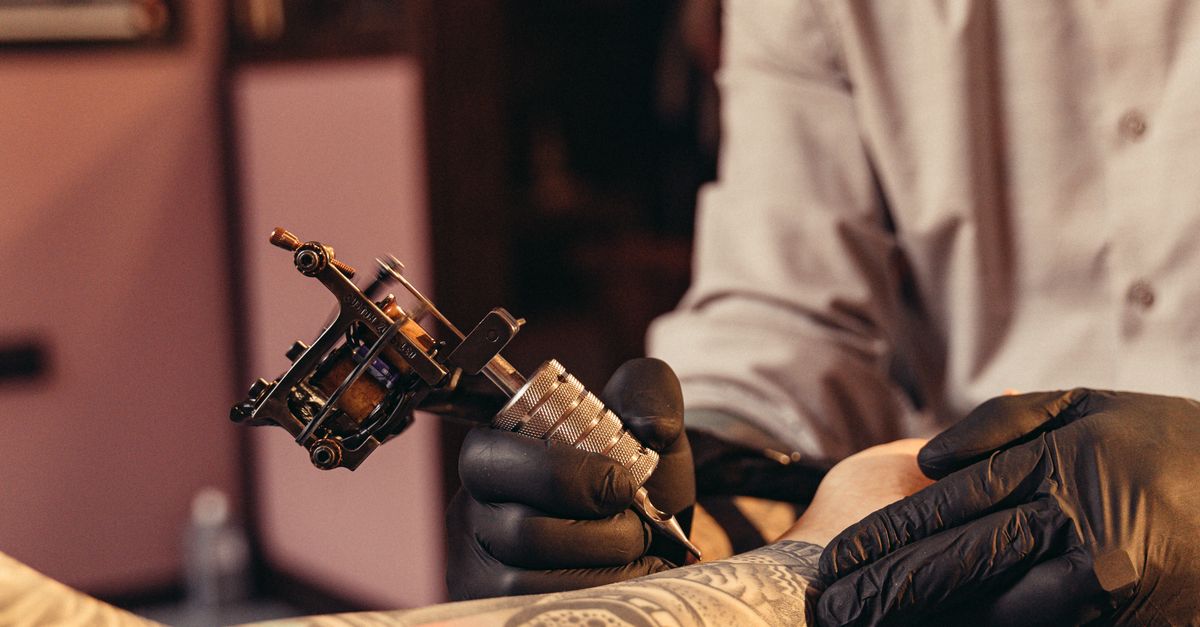
Additionally, observe the professionalism of the staff. They should wear appropriate attire, including gloves and aprons, during procedures, which signifies adherence to health regulations. It's beneficial to have an open line of communication with your artist regarding their processes and safety measures. A reputable tattoo shop will encourage questions and provide clarity on sanitation practices.
Equipment Sterilisation Techniques
The sterilisation of tattoo equipment is critical for ensuring client safety and preventing infections. Most reputable studios implement an autoclave system, which uses high-pressure steam to eliminate all forms of bacteria, viruses, and spores from tools such as needles, ink caps, and dermal punches. Regular testing of autoclave functionality is essential, with biological indicators employed to confirm effective sterilisation before use.
Apart from autoclaving, many tattoo parlours utilise single-use disposable items for certain tools and supplies, reducing the risk of cross-contamination. Items such as needles and ink caps should be discarded immediately after a session. Studios should also adhere to the strict protocols set forth by health authorities, ensuring that all items deemed reusable are properly cleaned, rinsed, and sterilised between clients to maintain a safe tattooing environment.
Methods to Ensure Safe Tattoo Gear
Ensuring the safety of tattoo gear begins with a thorough understanding of sterilisation methods. Autoclaving remains one of the most effective techniques, using high-pressure steam to eliminate pathogens. Many reputable tattoo shops employ this method for non-disposable items such as needles and tubes, ensuring a sterile environment for each procedure. It is crucial that patrons observe certification and documentation proving regular maintenance of sterilisation equipment. This demonstrates the shop's commitment to safeguarding their clients' health.
In addition to using properly sterilised tools, the implementation of single-use disposable items contributes significantly to safe practice. Needles, ink caps, and razors are commonly discarded after each client, helping to prevent cross-contamination. Artists should consistently open new packages in front of clients, showcasing a transparent approach to hygiene. Proper disposal methods for used items are equally important, with sharps containers ensuring that hazardous materials are safely handled after use. Regular training in hygiene protocols for all staff members further enhances the assurance of a safe and clean tattoo environment.
Cleaning Procedures for Tattoo Workspaces
Maintaining a clean and hygienic workspace is essential for any tattoo shop. Workstations should be sanitised between each client to prevent cross-contamination. Tools and surfaces used during the tattooing process must be wiped down with appropriate disinfectants. All reusable equipment should be handled with care and placed in sterilisation solutions after use. This ensures that remnants from previous sessions do not pose a risk to future clients.
In addition to routine cleaning after every appointment, daily cleaning procedures should be established to guarantee an overall hygienic environment. Floors must be mopped, and any dust or debris should be removed regularly. Work surfaces should not only be cleaned but also inspected for any damages or wear that may harbour bacteria. Regular checks of cleanliness standards among staff contribute significantly to the overall sanitation level of the shop.
Daily Maintenance Routines
Daily maintenance in tattoo shops is crucial for ensuring a safe environment. Artists must adhere to strict cleaning schedules that include disinfecting workstations, equipment, and surfaces that come into contact with skin or bodily fluids. This routine should involve the use of approved cleaning solutions that effectively eliminate pathogens. Ensuring that each workstation is tidy and free from clutter helps prevent cross-contamination during tattooing.
Additionally, disposable items should be appropriately disposed of immediately after use to minimise risks. Regular checks on supplies, such as gloves and sanitising products, are also fundamental to maintaining high hygiene standards. This proactive approach not only safeguards the health of clients but also instills confidence in the professionalism of the tattoo shop. Artists should document their cleaning routines as a means of accountability and to adhere to regulatory standards.
FAQS
What are the key sanitation standards I should look for in a Perth tattoo shop?
Key sanitation standards include proper equipment sterilisation, cleanliness of the workspace, use of disposable gloves, and adherence to hygiene protocols by the tattoo artist.
How can I ensure that the equipment used in a tattoo shop is safe and sterile?
Look for shops that use autoclaves for sterilisation, have clear procedures for equipment handling, and provide visible evidence of sterilisation practices, such as sterilisation indicators.
What should I observe in the tattoo environment before getting inked?
You should check for a clean and organised workspace, ensure the artist wears gloves, observe their hygiene practices, and look for the presence of proper sanitation supplies like hand sanitiser and disinfectants.
How often should tattoo shops perform cleaning procedures for their workspaces?
Tattoo shops should have daily maintenance routines that include thorough cleaning and disinfecting of all surfaces, equipment, and tools used in the tattooing process.
What are my rights as a customer regarding sanitation in a tattoo shop?
As a customer, you have the right to expect a safe and hygienic environment, to ask questions about the shop's sanitation practices, and to refuse service if you feel that cleanliness standards are not being met.
Related Links
A Deep Dive into Hygiene Practices in Perth's Tattoo StudiosThe Impact of Clean Environments on Tattoo Healing
Perth Tattoo Studios: A Guide to Their Cleaning Protocols
Why Cleanliness Should be Your Priority When Choosing a Tattoo Shop
Client Reviews Highlighting Hygiene in Perth Tattoo Studios
How Sterilisation Techniques Affect Your Tattoo Experience
Understanding Health Regulations in Perth Tattoo Shops
Top Perth Tattoo Shops with Exceptional Cleanliness Ratings