Evaluating the Skillset of Tattoo Artists in Perth Shops
Table Of Contents
Customer Reviews and Testimonials
Customer experiences play a crucial role in assessing the quality of tattoo artistry in Perth. Clients often share insights about their consultations, the tattooing process, and the final results through online platforms and word of mouth. Positive reviews typically highlight aspects like professional demeanour, attention to detail, and the ability to create custom designs that resonate with the individual. Conversely, any negative feedback often points to issues such as poor communication or unsatisfactory healing results.
These testimonials provide potential customers with a wealth of information that can guide their choices. A common theme in favourable reviews is the level of comfort and trust that clients feel with their artists. Many patrons value a welcoming atmosphere where artists take time to listen to their ideas and preferences. When a tattoo artist's previous clients express satisfaction through recommendations, it significantly boosts the artist's credibility in a competitive market.
Gauging Client Satisfaction and Experiences
Customer feedback plays a crucial role in understanding the experiences of clients at tattoo shops. Reviews can provide insights into not only the artistic skills of the tattoo artist but also the overall atmosphere of the studio and the professionalism of the staff. Patrons often share their stories about the consultation process, highlighting whether their ideas were listened to and how comfortable they felt throughout their visit. Positive experiences frequently mention the attention to hygiene and the care taken during the tattooing process, which can significantly impact a client's final impression.
Furthermore, social media platforms have become a popular avenue for clients to share their tattoo journeys. Personal stories, accompanied by photos of the completed artwork, contribute to a broader narrative about each shop’s reputation. Negative feedback, on the other hand, can act as a warning sign to potential customers. This feedback loop helps shops identify areas for improvement and enhances the overall experience for future clients. Engaging with customer testimonials not only aids in evaluating individual artists but also assists shops in refining their services.
Understanding Tattoo Equipment
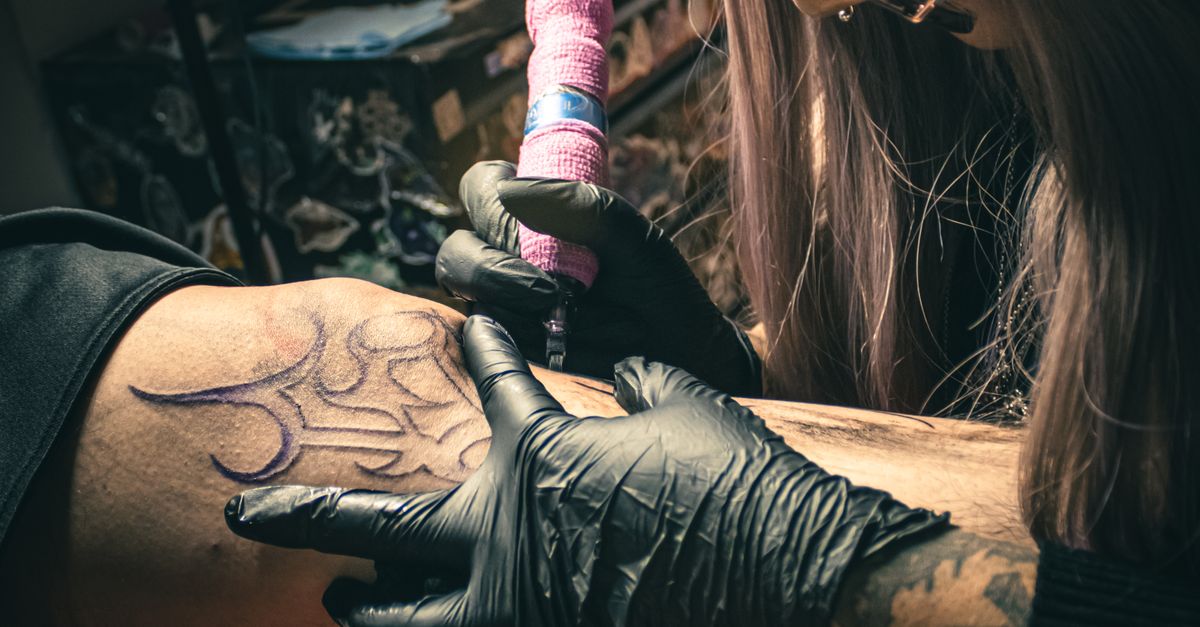
Tattoo artists rely on a variety of specialised equipment to create intricate designs on their clients' skin. The essential tools include tattoo machines, needles, ink, and power supplies. Tattoo machines come in two main types: rotary and coil, each with its own advantages and techniques suited to different styles of tattooing. Needles vary in size and configuration, allowing artists to achieve diverse effects, from fine lines to bold shading. Inks are highly formulated to ensure vivid colours and longevity, with quality being paramount to avoid complications or fading over time.
Proper maintenance of equipment is crucial for both the quality of the artwork and the safety of clients. Artists must regularly clean and sterilise their tools to prevent infections and ensure a hygienic environment. Understanding the mechanics of their equipment enables artists to troubleshoot issues during a session. Familiarity with the equipment also influences the artist's technique and efficiency, highlighting the need for continual learning and adaptation as technology evolves within the tattooing industry.
The Tools of the Trade for Professional Artists
Tattoo artists rely on a specific set of tools that enable them to create intricate designs with precision. The tattoo machine, often referred to as a gun, is a vital piece of equipment, allowing for both line work and shading. The choice of needles can also vary, affecting the final aesthetic of the artwork. Artists have to understand the differences between single needles for fine lines and groupings for shading to achieve the desired effects. Additionally, quality ink and skincare products play a crucial role in ensuring the longevity and vibrancy of the tattoo.
Hygiene is paramount in the tattoo industry, necessitating the use of sterile equipment. Disposable needles, ink caps, and gloves ensure that artists maintain a clean environment during the tattooing process. Furthermore, many artists invest in high-quality tattoo machines and aftercare products, which can enhance the overall experience for clients. Understanding how to use these tools effectively is vital for any professional, as it impacts both the quality of the artwork and the safety of the clients.
Skill Development and Training
The journey to becoming a proficient tattoo artist often begins with a strong foundation in art and design. Many aspiring artists pursue formal education, enrolling in courses that focus on drawing, colour theory, and anatomy. This training equips them with essential skills that enhance their artistic abilities. Additionally, apprenticeships play a vital role in skill development, allowing newcomers to learn directly from experienced professionals. This hands-on experience is crucial for mastering tattooing techniques and understanding the nuances of different styles.
Workshops and conventions also provide valuable opportunities for ongoing education. These events often feature demonstrations by renowned artists, offering insights into advanced techniques and industry trends. Continued practice and feedback from peers further refine an artist's skills. Building a diverse portfolio by experimenting with various styles enables tattooists to attract a wider clientele and establish their unique identity within the competitive Perth market.
Educational Paths for Aspiring Tattoo Artists
Aspiring tattoo artists often seek a variety of educational paths to hone their craft. Many begin with art courses that focus on drawing and design principles. This foundation is crucial, as it helps develop an artist's unique style. Workshops and masterclasses taught by experienced tattooists also provide valuable hands-on experience. These opportunities allow students to understand tattoo techniques and the importance of hygiene and safety protocols.
In addition, formal apprenticeships play a significant role in shaping an artist’s career. Under the guidance of seasoned professionals, newcomers can learn the intricacies of the trade. They gain insight into client interactions, beginning with consultations and the creative process through to the execution of a tattoo. Many apprenticeship programs also include business aspects of running a tattoo studio, ensuring that artists are prepared for both their artistic and entrepreneurial journeys.
FAQS
How can I find reliable customer reviews for tattoo artists in Perth?
You can check online platforms like Google Reviews, Facebook, and tattoo-specific forums to find genuine customer feedback and experiences about tattoo artists in Perth.
What should I look for when evaluating the skillset of a tattoo artist?
Consider their portfolio, the diversity of their designs, customer testimonials, and their knowledge of tattoo equipment and hygiene practices.
Are there specific qualifications or certifications that tattoo artists in Perth should have?
While formal qualifications are not mandatory, many reputable tattoo artists complete apprenticeships and may hold certifications in health and safety, as well as in tattooing techniques.
How important is it for a tattoo artist to keep up with industry trends and technology?
It's crucial for tattoo artists to stay updated with the latest trends and advancements in equipment to ensure they provide high-quality tattoos and meet client expectations.
What educational paths should I consider if I want to become a tattoo artist in Perth?
Aspiring tattoo artists often pursue art courses, apprenticeships at tattoo shops, or workshops that focus on tattooing techniques and hygiene standards.
Related Links
How Professionalism Influences Tattoo Quality in PerthProfessionalism in Design: Understanding Artist Portfolios in Perth
The Importance of Ongoing Training for Tattoo Artists in Perth
Assessing the Reputation of Tattoo Artists in Perth Shops
Building Trust: How Professional Tattoo Artists Enhance Customer Experience