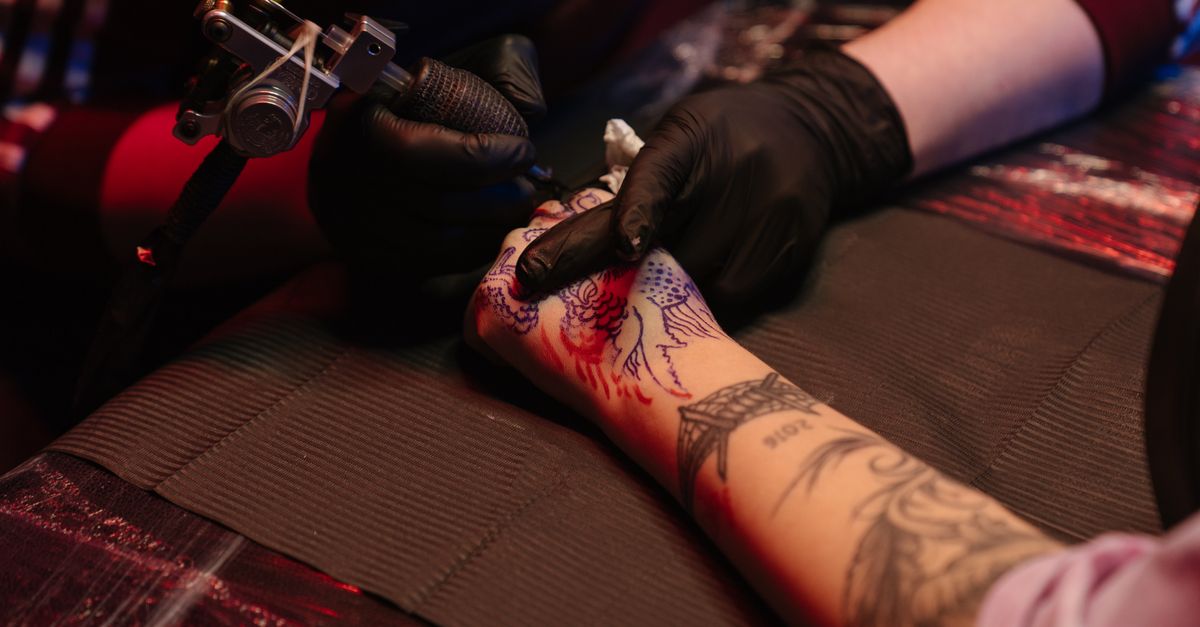
The Psychological Benefits of Proper Tattoo Aftercare
Table Of Contents
Tattoo Aftercare and Mental Well-Being
Caring for a new tattoo involves not just physical maintenance but also an important aspect of mental health. Engaging in a structured aftercare routine can foster a sense of responsibility and ownership. This process may promote feelings of self-worth, as individuals actively contribute to the healing of their body art. As the skin recovers, there is a tangible reminder of personal expression, which can enhance self-esteem and create a deeper connection to one’s identity.
Moreover, tattoo aftercare allows for an opportunity to practice self-compassion. Taking the time to apply ointments and follow maintenance steps encourages people to tune into their bodies. This attentiveness can serve as a form of mindfulness, fostering a deeper awareness of one’s physical state and emotional responses. The rituals involved in aftercare can act as a calming mechanism, helping to alleviate stress and promote a positive mindset during the healing process.
The Therapeutic Effects of Personal Care
Engaging in the process of caring for a new tattoo can offer significant therapeutic benefits. This act of personal care allows individuals to foster a connection with their body and the art that adorns it. The rituals involved in aftercare, such as cleansing and moisturising, encourage a sense of responsibility and attentiveness that can counteract anxiety and promote a more positive self-image. The focused nature of these tasks can serve as a calming distraction from daily stressors, providing a moment of mindfulness.
Moreover, the intimate nature of applying aftercare products can evoke soothing sensory experiences. From the fragrance of lotions to the gentle touch of one's hand, individuals may find comfort in the simple act of nurturing their skin. This connection to the physical self can enhance the emotional experience associated with getting tattooed. It can reinforce feelings of self-acceptance and pride, contributing positively to one’s overall mental well-being. Through these small yet meaningful actions, individuals can develop a deeper understanding of their bodies and a more profound appreciation for their tattoos.
Social Perception of Tattoos
Tattoos have long been a topic of societal debate, often eliciting a range of opinions based on cultural and personal beliefs. While some view them as an expression of individuality, others may associate them with negative stereotypes or social deviance. This dichotomy can impact how tattooed individuals are perceived in professional settings or within certain social circles, influencing their interactions and opportunities.
The growing acceptance of tattoos in mainstream culture has led to shifts in public perception. Many now see body art as a form of self-identity and creativity, which can enhance one's image rather than detract from it. Positive visibility in media and influential figures embracing tattoos contributes to this change, encouraging a more inclusive understanding of personal expression. As the stigma surrounding tattoos diminishes, the psychological impact on wearers becomes more significant, enhancing self-esteem and fostering a sense of community among those who share similar expressions of identity.
How Aftercare Affects Public Image
The way individuals care for their tattoos can significantly influence the public's perception of them. Well-maintained tattoos often convey a sense of pride and personal responsibility. They reflect the wearer's commitment to their body art, which may enhance the overall impression they leave on others. Conversely, poorly cared for tattoos might lead to assumptions about neglect or a lack of attention to personal wellness, potentially impacting how one is viewed socially.
As societal attitudes towards tattoos continue to evolve, the importance of aftercare becomes even more pronounced. Individuals who invest time and effort into maintaining their tattoos are often perceived as more acceptable and reliable. A neat, well-cared-for tattoo can spark positive conversations and connections, opening doors to social interactions that might otherwise remain closed. This shift in perception reinforces the idea that personal care practices contribute not just to one’s appearance, but also to broader social acceptance.
Cultivating Mindfulness through Aftercare
Practising aftercare for a tattoo involves a deliberate and attentive approach to one's body. This routine not only ensures the tattoo heals properly but also becomes a meditative experience. Engaging in the process of cleaning and moisturising the tattoo provides an opportunity to connect with the body. Awareness of sensations during this time encourages individuals to focus on their physical being, fostering a deeper relationship with themselves.
The act of nurturing a fresh tattoo can be an exercise in mindfulness. It allows for reflection on the significance of the tattoo and its personal meaning. Taking time to appreciate the art fosters a sense of presence in the moment, enabling individuals to detach from daily stressors. This experience can transform a simple aftercare routine into a valuable practice that promotes mental clarity and emotional well-being.
The Benefits of Being Present
Engaging in tattoo aftercare encourages a mindful approach. The process requires focus and attention, allowing individuals to disconnect from external stressors. Each step of care invites a moment of reflection, integrating self-nurturing behaviours. Practising this level of attentiveness can lead to increased awareness of one’s physical and emotional state.
Mindfulness fosters a deeper appreciation for the body and its expressions. Caring for a new tattoo becomes an opportunity to connect with personal identity and artistic choices. This ritual can nurture self-acceptance and reinforce positive body image. Recognising the significance of the tattoo further solidifies its role in one's life narrative, enhancing overall emotional well-being.
FAQS
What is tattoo aftercare and why is it important for mental well-being?
Tattoo aftercare involves the proper cleaning and moisturising of a new tattoo to ensure it heals correctly. It is important for mental well-being because it helps reduce anxiety about infection or damage, allowing individuals to feel more secure and satisfied with their decision.
How can personal care during tattoo aftercare have therapeutic effects?
Engaging in personal care routines, such as applying ointment and keeping the tattoo clean, can provide a sense of control and empowerment. This self-care practice can enhance overall mood and contribute positively to mental health by promoting feelings of self-worth and validation.
What impact does tattoo aftercare have on social perception?
Proper aftercare can lead to better healing and a more aesthetically pleasing tattoo, which may improve how others perceive the tattoo and, by extension, the person wearing it. A well-cared-for tattoo can enhance self-image and boost confidence in social situations.
How does the practice of mindfulness relate to tattoo aftercare?
Tattoo aftercare requires individuals to focus on their body and the healing process, encouraging mindfulness. This practice of being present can help reduce stress and anxiety, allowing individuals to connect more deeply with themselves and their choices.
What are the mental health benefits of being present while caring for a new tattoo?
Being present during tattoo aftercare can foster a sense of calm and awareness, reducing negative emotions like worry or self-doubt. It can also enhance the enjoyment of the tattoo experience and promote a positive relationship with one’s body and self-expression.
Related Links
Myths and Facts About Tattoo AftercareUnderstanding the Role of Aftercare in Tattoo Longevity
The Connection Between Aftercare and Tattoo Infection Rates
Care After the Needle: Why Aftercare Matters
Preventing Fading: The Importance of Aftercare Practices
Aftercare as an Essential Part of the Tattooing Process
The Science Behind Tattoo Ink and Skin Care