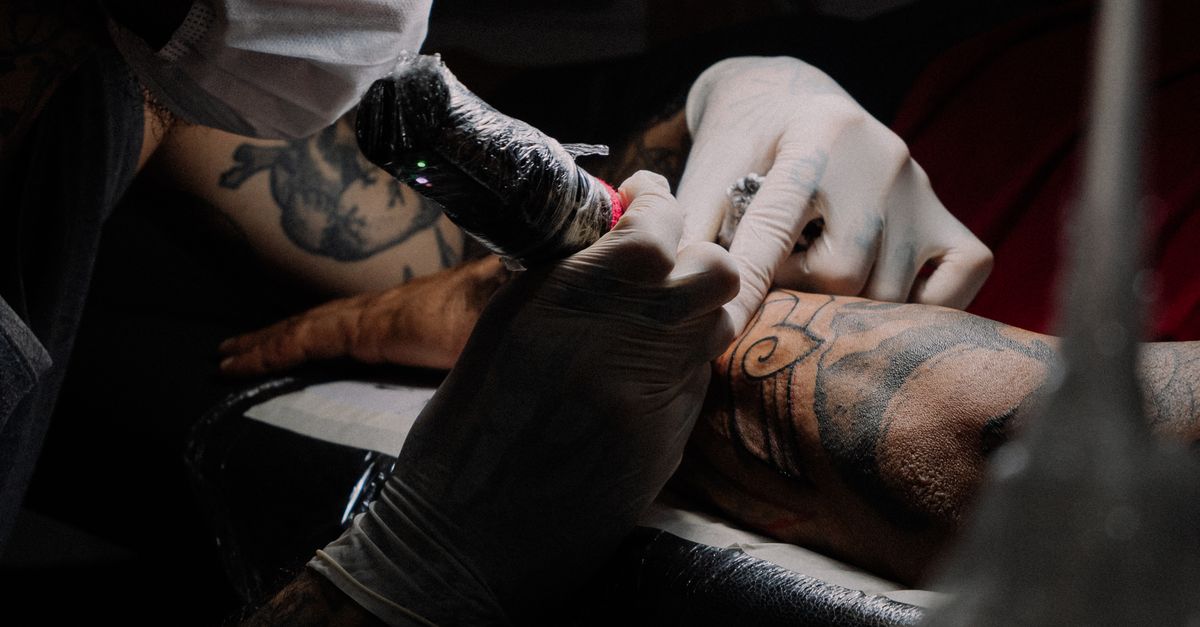
Understanding the Pain Levels Associated with Watercolour Tattoos
Table Of Contents
Healing Process and Associated Discomfort
The healing process of watercolour tattoos generally spans a few weeks. During this time, the vibrant colours may appear slightly muted as the skin begins to recover. Peeling and flaking are common as the outer layers of skin shed, revealing the final result underneath. It's important to follow aftercare instructions carefully to avoid complications such as infection or fading. Moisturising creams and ointments can aid in the healing process, helping to maintain the integrity of the design.
Discomfort levels can vary among individuals, influenced by factors such as skin sensitivity and the intricacy of the design. Patients often report varying sensations during the healing phase, ranging from mild itching to tenderness at the tattoo site. Engaging in activities that aggravate the area can exacerbate discomfort, making rest and gentle care essential for a smooth recovery. Awareness of these factors can aid in managing expectations and preparing for the tattoo experience.
Understanding the Stages of Healing
The healing process for watercolour tattoos typically unfolds in several distinct stages. Initially, the area may appear vibrant but will experience swelling and redness immediately following the tattooing. Over the next few days, the skin will start to form a protective crust as it begins to heal. This crust is a natural part of the recovery process, and it’s crucial to let it fall off naturally to avoid skin damage.
As healing progresses, the colours might appear duller than expected. This is common as the outer layer of skin regenerates. The true vibrancy of the tattoo will usually emerge once the skin has fully healed, which can take anywhere from two to four weeks. During this period, moisturising the tattooed area and avoiding direct sunlight can significantly aid in achieving the best results. Understanding these stages can help manage expectations and ensure proper care for the artwork.
Comparisons with Traditional Tattoo Styles
When comparing watercolour tattoos to traditional styles such as blackwork, it's essential to understand the differences in technique and execution. Watercolour tattoos are known for their fluid blend of colours and soft, painterly effects. Artists typically use a lighter touch with less emphasis on bold outlines. In contrast, blackwork relies heavily on solid black ink and well-defined shapes, often resulting in a more intense overall experience during the tattooing process.
The pain levels associated with each style can vary significantly. The lighter application of ink in watercolour tattoos may lead to a perception of reduced discomfort for some individuals, while traditional styles exacerbate the sensation due to the deeper needle penetration required for solid colour. Understanding these nuances can help individuals better prepare for their tattoo experience, leading to informed decisions regarding design and style choice.
Pain Levels
It is essential to understand that the pain experienced during a watercolour tattoo can vary widely based on individual pain tolerance and the specific technique used. While the needle's depth and speed may differ from traditional tattoos, watercolour tattoos often involve multiple colour layers and soft blending techniques. These factors can influence how sharp or dull the sensation feels during the process. Many clients describe the pain as more of an irritation rather than intense discomfort, but personal experiences can differ significantly.
After the tattooing session, some individuals may notice a heightened sensitivity in the area due to the extensive colour layering and skin manipulation involved. Commonly, the healing process encompasses swelling and tenderness, which can contribute to ongoing discomfort. For most, the initial stages of healing may bring some unease, particularly as the skin begins to scab and heal. It is advisable for clients to remain mindful of these potential sensations, ensuring they follow aftercare instructions to alleviate discomfort effectively.
Preparing for Your Watercolour Tattoo
Planning ahead can greatly enhance your experience, ensuring a smoother process when getting your watercolour tattoo. Researching reputable artists who specialise in this unique style is crucial. Look for their portfolios to evaluate their previous work and find a style that resonates with your vision. Additionally, scheduling a consultation can help clarify any concerns and establish a strong rapport with your chosen artist.
On the day of your appointment, ensuring you are well-hydrated can contribute to your comfort. Eating a nutritious meal before the session may help maintain your energy levels. Arriving at the studio with relaxed muscles and a positive mindset can also make a significant difference. It is essential to communicate openly with your artist about any worries you've got, establishing a comfortable environment for the entire tattooing process.
Tips to Minimise Pain During the Session
A well-prepared body may help reduce discomfort during your watercolour tattoo session. Staying well-hydrated is essential, as dehydration can increase sensitivity to pain. Having a substantial meal beforehand provides energy and helps stabilise your blood sugar levels, contributing to an overall more comfortable experience. Additionally, wearing loose, comfortable clothing allows easy access to the tattoo area without causing unnecessary irritation.
Focusing on relaxation techniques can also be beneficial while getting tattooed. Deep breathing exercises can help calm anxiety and manage pain levels. Listening to calming music or having a supportive friend present may create a more comforting atmosphere. Finally, discussing pain concerns with your tattoo artist ensures they are aware and can modify their approach as needed to keep you at ease throughout the process.
FAQS
Will getting a watercolour tattoo hurt more than a traditional tattoo?
Pain levels can vary between individuals, but generally, watercolour tattoos may feel similar to traditional styles. However, the level of discomfort can depend on the tattoo's placement and the artist's technique.
What should I expect during the healing process of a watercolour tattoo?
The healing process of a watercolour tattoo typically involves initial redness and swelling, followed by peeling and fading. It's important to keep the area clean and moisturised throughout the healing stages.
Are there specific areas of the body where watercolour tattoos might hurt more?
Yes, areas with less flesh and more nerve endings, such as the ribs, spine, and elbows, tend to be more painful during tattooing, regardless of style. The discomfort can vary based on individual pain tolerance as well.
How can I minimise pain during my watercolour tattoo session?
To minimise pain, consider following tips such as getting a good night's sleep before your appointment, staying hydrated, eating a hearty meal beforehand, and discussing pain management options with your tattoo artist.
Is there anything I should avoid after getting a watercolour tattoo to ensure proper healing?
Yes, to ensure proper healing, avoid soaking the tattoo in water, direct sunlight, and wearing tight clothing over the area. Additionally, refrain from picking at scabs or peeling skin.
Related Links
The Significance of Watercolour Tattoos in Modern Body ArtMaintenance Tips for Watercolour Tattoos
How to Customize Your Watercolour Tattoo
Notable Perth Artists Specialising in Watercolour Tattoos
The Role of Blending in Watercolour Tattoo Art
How to Choose the Right Colour Palette for Watercolour Tattoos
Techniques for Achieving a Perfect Watercolour Tattoo
Popular Watercolour Tattoo Designs Among Perth Artists
The Evolution of Watercolour Tattoos in Perth