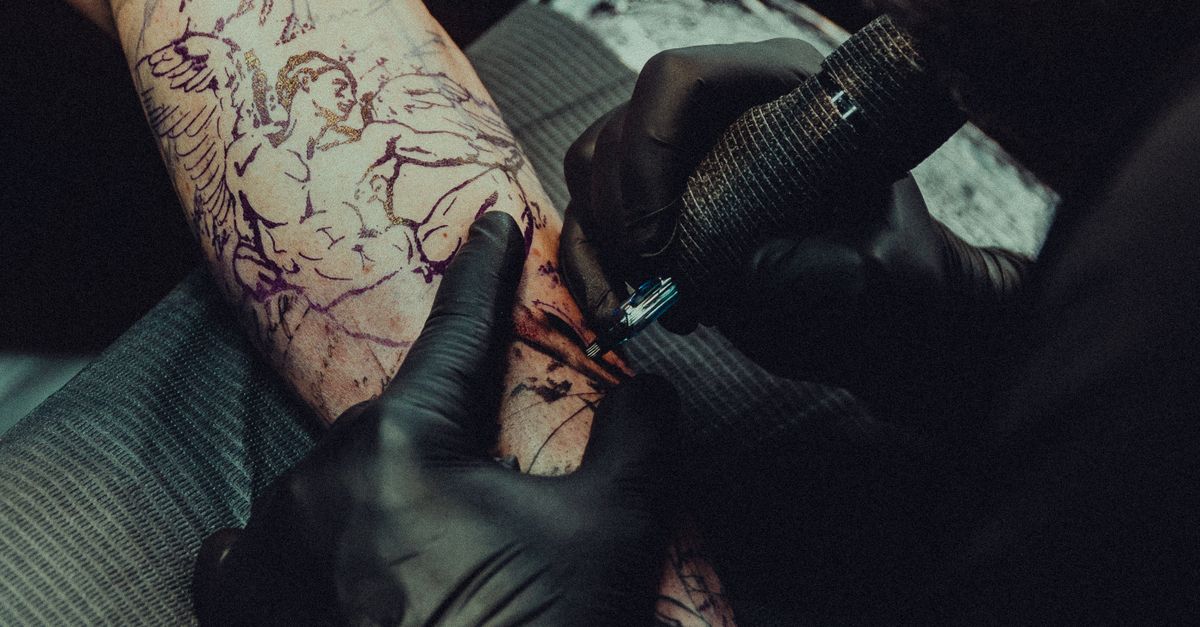
Exploring Indigenous Australian Influences on Traditional Tattoo Art
Table Of Contents
The Role of Storytelling in Tattoo Art
Tattoo art within Indigenous Australian cultures serves as a profound conduit for storytelling, capturing the essence of ancestral knowledge and cultural identity. Each design often encapsulates a narrative that traverses generations, reflecting significant events, spiritual beliefs, and personal experiences. The intricate patterns and symbols are not merely decorative. They embody lessons and morals, grounding the wearers in their history and community.
Storytelling through tattooing shapes individual and collective identity, forging connections that transcend time. The significance of symbols varies among tribes, with some representing totemic beings or sacred landscapes while others convey stories of resilience and survival. This practice fosters a shared understanding of cultural heritage, allowing both the tattooed and the observers to engage with the deeper meanings behind the ink. Each tattoo becomes a living testament, weaving together the threads of past narratives with present realities, creating an ongoing dialogue within the community.
Narratives Expressed Through Body Art
Tattoo art serves as a powerful medium for storytelling within Indigenous Australian cultures. Each design embodies narratives passed down through generations, creating a visual language that captures significant life events, family lineage, and cultural heritage. The intricate patterns and symbols often have specific meanings, representing totems, ancestral spirits, or connections to the land. Through these body adornments, individuals tell their stories, conveying personal or collective identities that resonate deeply within their communities.
The significance of these tattoos transcends mere decoration; they act as a form of expression that connects individuals to their cultural roots. Many Indigenous artists draw upon traditional stories and motifs when crafting tattoos, ensuring that each piece reflects not only personal experiences but also broader community narratives. This practice reinforces the importance of heritage while fostering a sense of belonging, providing a tangible link to the past amid a rapidly changing world.
Healing and Spirituality in Tattooing
Tattooing within Indigenous cultures often transcends mere aesthetics, embodying deep healing and spiritual significance. Many communities utilise tattoos as a means of connecting with ancestral traditions, drawing on ancient techniques and sacred symbols that channel spiritual energies. In this context, tattoos serve not only as adornments but also as vehicles for personal and communal healing. The narratives embedded in the artwork resonate with Indigenous belief systems, reinforcing one's identity and place within the larger tapestry of their cultural heritage.
The spiritual dimension of tattoo art extends beyond individual expression. Many Indigenous Australians view tattoos as protective symbols that safeguard the wearer from harm. Specific designs may invoke the presence of ancestral spirits or represent elements of the natural world, acting as a form of guidance through life's challenges. Ritualistic practices accompanying the tattooing process often involve prayers and ceremonies, further intertwining the art with the spiritual realm. This holistic approach ensures that tattooing remains a profound reflection of both personal and collective journeys toward healing and understanding.
Tattoos as Symbols of Protection and Guidance
Indigenous Australian tattoo art often serves as a powerful symbol of protection and guidance for individuals within their communities. Such tattoos are not merely decorative; they embody ancestral knowledge and spiritual significance, connecting the wearer to their heritage. Through intricate designs, these tattoos may represent totems or ancestral spirits, believed to bestow strength and vigilance upon those who bear them. This connection fosters a sense of security and belonging, as wearers proudly display their identity and affiliations through body art.
In many Indigenous cultures, tattoos are seen as a rite of passage, marking important life transitions and experiences. The symbols and designs chosen for these tattoos can encapsulate personal journeys or communal narratives, offering insights into the wearer’s life history and spiritual beliefs. It is not uncommon for individuals to seek guidance from elders or spiritual leaders when deciding on the design and placement of their tattoos, ensuring that the choices made resonate deeply with their protective and guiding intentions. Through this culturally rich practice, tattoos become more than skin deep; they embody the very essence of Indigenous identity and resilience.
The Impact of Colonisation on Indigenous Tattoo Practices
Colonisation brought profound changes to Indigenous Australian cultures, significantly disrupting traditional practices such as tattooing. European settlers imposed foreign beliefs and values, often deeming Indigenous art as primitive or inappropriate. This cultural devaluation led to a decline in the knowledge and skills required to create tattoos using traditional methods. Many Indigenous communities were forced to adapt or abandon their practices, resulting in a loss of stylistic diversity and the erosion of sacred narratives intricately linked to body art.
Over the years, the impact of colonisation has been reflected in the evolution of tattoo techniques and styles. Contemporary artists often merge traditional designs with modern influences, demonstrating a blend of past and present. Some Indigenous practitioners aim to reclaim their heritage by reviving traditional tattooing methods, while also navigating the complex relationship between cultural preservation and contemporary expression. This ongoing transformation highlights the resilience of Indigenous artistic practices in the face of historical adversity, offering insights into the ways these communities continue to assert their identity through art.
Changes in Art Forms and Techniques Over Time
Indigenous Australian tattoo practices have evolved significantly through cultural exchanges and the impact of colonisation. Traditional techniques involved natural materials, with tattooing methods often passed down through generations. An array of tools was used, including sharpened sticks or shells to puncture the skin, with designs often derived from local flora and fauna. As external influences began to reshape these practices, new materials and technologies found their way into Indigenous communities. Modern tattooing techniques, such as electric machines and ink availability, introduced a contrasting aesthetic and precision that altered traditional expressions.
Despite these changes, many artists strive to bridge the gap between modernity and the authentic cultural heritage of their people. Contemporary Indigenous tattoo artists draw from ancestral motifs while integrating modern techniques to create hybrid styles. This fusion reflects the resilience of Indigenous culture amidst the encroachment of Western practices. Artists often reaffirm their identity through their work, addressing the historical traumas while celebrating their lineage. Traditional designs now coalesce with innovative artistic interpretations, maintaining a dialogue between past and present.
FAQS
What is the significance of storytelling in Indigenous Australian tattoo art?
Storytelling plays a crucial role in Indigenous Australian tattoo art as it serves as a medium for conveying cultural narratives, personal histories, and ancestral connections. Each tattoo often tells a story, representing significant events, beliefs, or family lineage.
How do tattoos function as symbols of protection and guidance in Indigenous cultures?
In many Indigenous Australian cultures, tattoos are believed to provide spiritual protection and guidance to the individual. They can symbolise a connection to the land, ancestors, or spiritual beings, offering strength and support throughout one's life journey.
What changes have occurred in Indigenous tattoo practices due to colonisation?
Colonisation has had a profound impact on Indigenous tattoo practices, leading to a decline in traditional techniques, styles, and the meanings associated with tattoos. Many Indigenous communities faced a loss of cultural knowledge and practices, which altered how tattoo art is perceived and created today.
How have art forms and techniques evolved in Indigenous tattooing over time?
Over time, Indigenous tattooing has seen the incorporation of new materials and tools due to influence from external cultures and technological advancements. This evolution reflects a blend of traditional practices with contemporary influences, resulting in a dynamic art form that continues to adapt while honouring its roots.
Are there any modern movements revitalising traditional Indigenous tattoo art?
Yes, there is a growing movement among Indigenous artists to revitalise traditional tattoo practices, reconnecting with ancestral knowledge and techniques. Many contemporary tattoo artists are collaborating with Elders and cultural custodians to ensure that these practices are preserved and celebrated within their communities.
Related Links
Iconic Symbols in Traditional Tattoo Designs and Their MeaningsThe Artistry Behind Traditional Tattoo Techniques in Perth
Traditional Tattoos: Balancing Personal Expression with Cultural Respect
The Role of Storytelling in Traditional Tattoo Practices
How to Choose the Right Traditional Tattoo Artist in Perth
The Significance of Colour in Traditional Tattoos
Popular Traditional Tattoo Designs Among Perth Locals