The Significance of Colour in Traditional Tattoos
Table Of Contents
Contemporary Trends in Tattoo Colour
Tattoo artists today are embracing a vibrant spectrum of colours, moving beyond the traditional black and grey. Bold hues, pastels, and metallics are becoming increasingly popular, reflecting wider trends in art and fashion. The rise of social media has played a crucial role in this evolution, allowing tattoo enthusiasts to showcase their work and inspire others with creative colour combinations. This visibility encourages artists to experiment with new palettes, making tattoos more visually striking and diverse.
Another significant trend is the growing appreciation for colour realism in tattoos. Artists are increasingly skilled in techniques that capture lifelike shades and textures, creating pieces that resemble paintings or photographs. This trend is attracting a clientele eager for unique and personalised expressions of artistry on their skin. The blending of traditional motifs with contemporary colour trends creates a fusion that resonates deeply with both artists and wearers, allowing tattoos to tell a more intricate story.
Blending Traditional and Modern Techniques
Many tattoo artists are now exploring the synergy between traditional techniques and contemporary styles. This blending creates unique artworks that honour historic symbolism while incorporating modern aesthetics. Traditional colour palettes, often more muted and earth-toned, are being revisited alongside vivid, saturated hues popular in today’s tattoo culture. This fusion allows for greater creativity and expression, as artists harness the foundational skills of classic tattooing while experimenting with new techniques and vibrant colour applications.
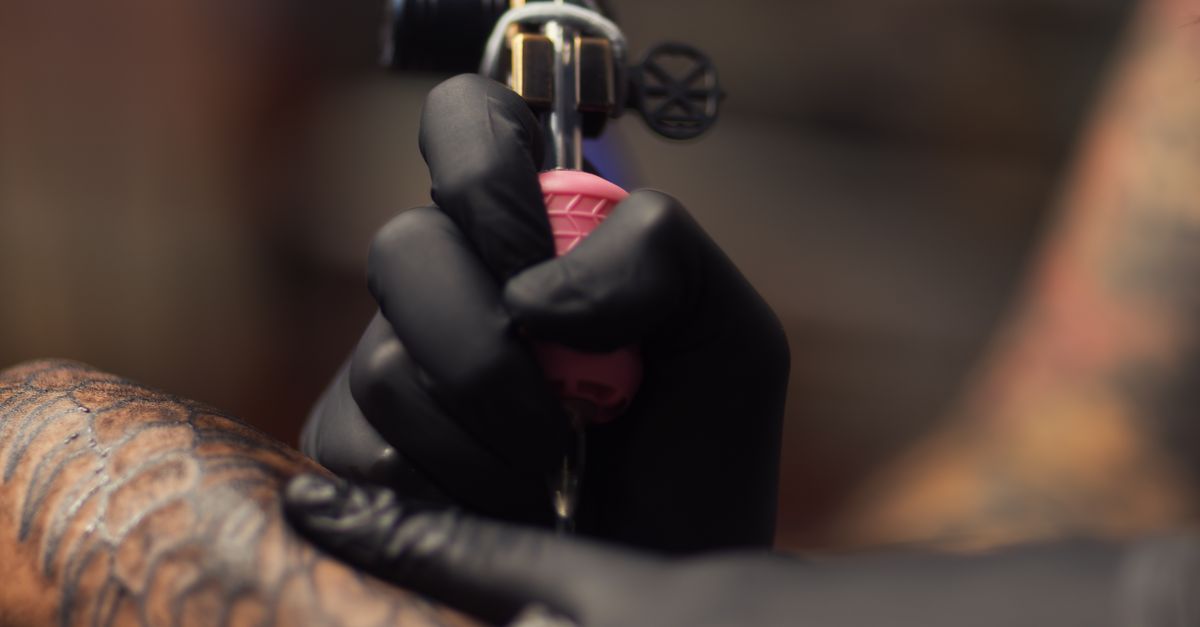
Incorporating modern technology, such as improved inks and advanced tattoo machines, enhances the ability to create intricate designs that were difficult to achieve in the past. Artists can achieve finer lines and more detailed shading, elevating traditional motifs into striking contemporary pieces. The interplay not only appeals to younger clients seeking innovation but also resonates with those who appreciate the rich heritage of traditional tattooing. This marriage fosters a continuous evolution of tattoo artistry, drawing on the past while pushing forward into uncharted territories.
Tattoo Aftercare and Colour Preservation
Proper aftercare is crucial for the longevity and vibrancy of a tattoo. Keeping the tattoo moisturised is essential during the initial healing phase. Using a gentle, fragrance-free lotion will help reduce itching and keep the skin hydrated. Direct sunlight exposure should be avoided during the healing process to prevent colour fading. After the tattoo has healed, applying sunscreen is vital when spending time outdoors. This protects the ink from UV rays, which can break down pigments over time.
Maintaining colour vibrancy requires attention to hygiene and product choice. Regular moisturisation post-healing helps preserve the tattoo's appearance. Individuals should opt for products designed for tattoo care, avoiding harsh chemicals that can irritate the skin. It is advisable to avoid prolonged soaking in water, such as baths and swimming, as this can lead to fading. Instead, gentle cleansing with mild soap is recommended. Regular touch-ups may also be necessary to keep the ink looking fresh and bright.
Best Practices for Maintaining Vibrancy
Proper tattoo aftercare plays a crucial role in maintaining the vibrancy of colours over time. Keeping the tattoo clean is essential; using a mild soap and lukewarm water can help prevent infection and fading. It is important to moisturise the area with a fragrance-free lotion or tattoo-specific balm. This practice not only aids in the healing process but also helps to lock in moisture, ensuring that the pigments remain vivid and true to their original hue.
Exposure to sunlight can lead to significant fading, so applying a high-SPF sunscreen is vital for protecting tattoos when spending time outdoors. Additionally, it is wise to avoid excessive soaking in pools, hot tubs, or direct contact with chlorinated water, which can also contribute to colour degradation. Staying hydrated and maintaining overall skin health can further enhance the longevity of a tattoo’s vibrancy, allowing the artwork to remain as striking as the day it was inked.
The Relationship Between Colour and Gender in Tattoos
Analysis of tattoo colour choices reveals a notable connection between gender and the hues that individuals favour. Traditionally, dark colours like black and deep blues have been popular among men, often signifying strength and resilience. Conversely, women tend to gravitate towards softer pastels and vibrant shades such as pinks and purples, associating these colours with femininity and beauty. This cultural conditioning shapes how individuals express their identity through colour in tattoos.
Recent trends show a gradual shift as societal norms evolve. Many are challenging conventional gender roles, leading to a more fluid approach to colour choices regardless of gender. Men are increasingly embracing bright colours and intricate designs, while women are exploring darker, bolder pieces. This blending of preferences not only highlights personal expression but also signals a move towards inclusivity in the tattoo community, where colour becomes a further extension of individuality rather than a strict adherence to gendered conventions.
Gender-Specific Colour Preferences
In the world of tattoos, colour preferences often reflect broader societal norms and personal identities. Traditionally, certain colours have been associated with specific genders. For example, shades like pink and pastels are frequently linked to femininity, while darker tones such as black and blue tend to be favoured by men. This aligns with cultural perceptions where colour choices can communicate aspects of one’s personality or adherence to gender roles.
However, contemporary tattoo enthusiasts are increasingly challenging these stereotypes. Many individuals now choose colours based on personal significance rather than societal expectations. This shift has led to a more diverse palette in tattoo art, where traditional associations are blurred. A woman might opt for bold reds or ornate blacks, while men explore softer hues, indicating a growing acceptance of fluidity in colour preferences regardless of gender.
FAQS
What is the significance of colour in traditional tattoos?
Colour plays a crucial role in traditional tattoos as it helps convey specific meanings, cultural symbols, and emotions, enhancing the overall aesthetic and significance of the artwork.
How have contemporary trends influenced tattoo colour choices?
Contemporary trends have introduced a wider palette of colours and techniques, allowing for more personalised and creative expressions in tattoo art, often blending traditional styles with modern influences.
What are the best practices for maintaining the vibrancy of tattoo colours?
To maintain vibrancy, it’s essential to follow good aftercare practices, such as keeping the tattoo clean, moisturised, avoiding sun exposure, and using sunscreen on the tattooed area.
Are there gender-specific colour preferences in tattoos?
Yes, studies and observations have shown that certain colours may be preferred by different genders, often influenced by cultural norms and personal style, though individual preferences can vary widely.
How can traditional techniques be blended with modern tattooing styles?
Blending traditional and modern techniques can be achieved by incorporating contemporary designs, colour gradients, and advanced equipment while still respecting the foundational elements and symbolism of traditional tattoo art.
Related Links
How to Choose the Right Traditional Tattoo Artist in PerthPopular Traditional Tattoo Designs Among Perth Locals
Traditional Tattoos: Balancing Personal Expression with Cultural Respect
The Role of Storytelling in Traditional Tattoo Practices
Traditional Tattoos: A Blend of Cultural Heritage and Modern Trends
Iconic Symbols in Traditional Tattoo Designs and Their Meanings