Traditional Tattoos: A Blend of Cultural Heritage and Modern Trends
Table Of Contents
The Impact of Technology on Tattoo Art
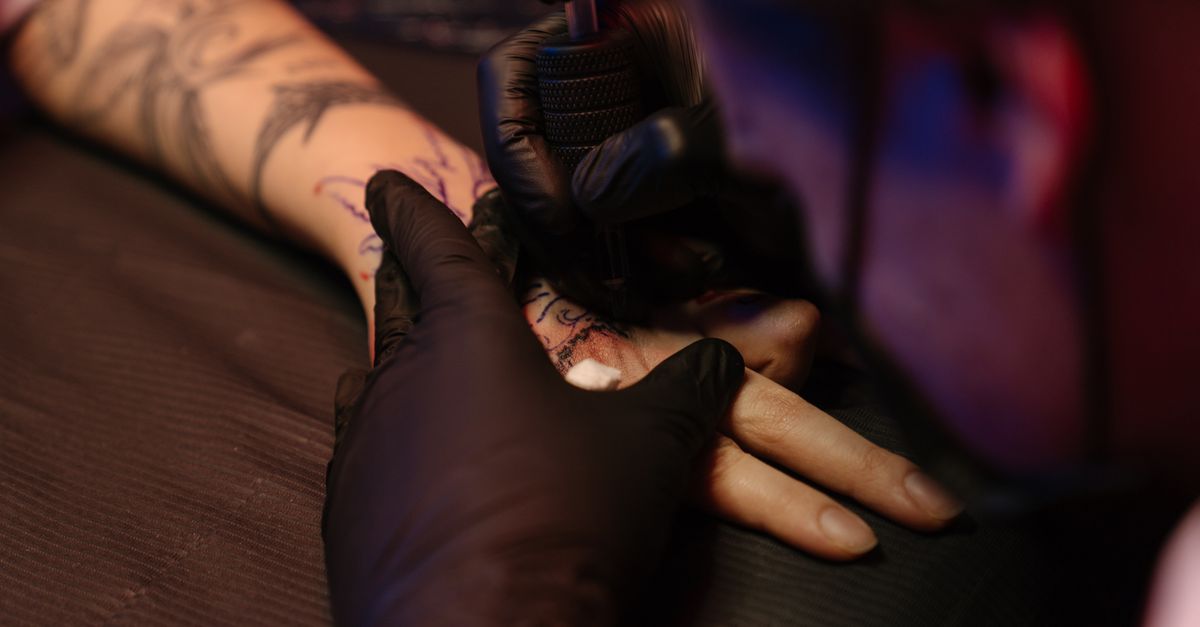
In recent years, advancements in technology have dramatically transformed the world of tattooing. The introduction of high-quality, lightweight tattoo machines has enabled artists to achieve greater precision and speed. This has not only improved the overall quality of tattoos but has also reduced the discomfort experienced by clients during the application process. Digital design tools allow for intricate artwork, providing artists with the ability to create complex designs that were once challenging to execute by hand.
Social media platforms have played a pivotal role in the evolution of tattoo culture, offering artists a global stage to showcase their work. Platforms like Instagram have become essential for sharing portfolios, connecting with potential clients, and fostering a community around artistic expression. This visibility has contributed to a growing interest in traditional tattoo styles, while simultaneously giving rise to new trends that blend various influences and techniques. The digital age allows for greater interaction between artists and clients, facilitating the personalisation of designs and enhancing the overall tattooing experience.
Advancements in Tools and Techniques
The evolution of tattoo tools has greatly influenced the artistry and precision of tattoo application. Electric tattoo machines have replaced traditional hand-poked methods, allowing for greater speed and consistency in line work and shading. Additionally, these machines come with various needle configurations, enabling artists to create intricate designs that were once exceedingly challenging. Innovative ink formulations have also emerged, offering vibrant colours that remain true over time without fading quickly, further enhancing the longevity of tattoos.
Alongside advancements in equipment, tattoo technology has embraced digital tools. Software enables artists to create detailed designs and simulate how they will look on a client's skin beforehand, eliminating guesswork. High-quality imaging can help to refine designs, ensuring that traditional motifs are respected while accommodating modern styles. The convergence of traditional methods with contemporary innovations fosters a diverse landscape where classic artistry meets the demands of modern clientele.
Cultural Appropriation vs. Cultural Appreciation
The interplay between cultural appropriation and appreciation is particularly significant in the tattoo community. Engaging with designs that carry deep meanings within their original cultures can lead to misunderstandings or disrespect. When individuals from outside a culture adopt these tattoos without understanding their context, it may dilute their significance and history, leading to potential offence among the culture bearers.
Conversely, genuine appreciation involves respecting and honouring the cultural significance of tattoos. This involves understanding the narratives, traditions, and artists behind the designs. Many tattoo artists seek to collaborate with cultural custodians, ensuring that the work is not only respectful but also enriched by authentic storytelling. This collaborative approach fosters a deeper connection and recognition of the cultural heritage from which these designs originate.
Navigating the Fine Line in Tattooing
Cultural appropriation in tattooing raises significant ethical questions. Artists who draw inspiration from traditions that aren't their own must tread carefully, as misrepresentation can lead to disrespect of the cultures that birthed these designs. Many Indigenous tribes view their symbols as sacred, not merely as motifs for adornment. Recognition of the origins of designs is essential in fostering respect and understanding, while sensationalising these symbols without acknowledging their significance can perpetuate stereotypes.
Conversely, cultural appreciation encourages dialogue and understanding between cultures. Collaborating with those from the culture being represented allows for authenticity in the artwork. This approach fosters mutual respect and education, creating a more inclusive environment within the tattoo community. It promotes the idea that the story behind a tattoo can be celebrated rather than exploited, leading to a richer connection between the artist, the client, and the cultural narrative being depicted.
The Stories Behind Traditional Tattoo Designs
Traditional tattoo designs often serve as a visual storytelling medium, each symbol rich with historical significance and personal meaning. Many cultures have utilised tattooing to represent rites of passage, familial ties, and achievements. For instance, Maori tattoos, or ta moko, not only adorn the skin but also convey ancestry and social status, showcasing the wearer’s lineage and character. These markings act as a living record, preserving narratives of tribes and individuals in a form that transcends time.
The meaning behind specific designs varies widely between cultures and individual preferences. While some may choose designs rooted in their heritage, others seek symbols that resonate with their personal experiences or emotions. For example, a simple wave might signify a connection to the ocean, reflecting one’s upbringing in a coastal community. In this way, traditional tattoo designs become deeply personal, woven into the fabric of the wearer’s identity while simultaneously honouring the broader cultural narratives from which they originate.
Meaning and Personal Significance
Tattoos often carry deep personal meanings, serving as visual narratives of significant life events or milestones. For many individuals, a tattoo may commemorate the memory of a loved one, mark a personal journey or celebrate achievements. The choice of imagery can be deeply symbolic, reflecting cultural practices or personal philosophies that resonate with the wearer. Each design tells a unique story, intertwining the individual’s identity with art that holds emotional weight.
The significance of traditional tattoo designs varies across different cultures, with each symbol often rooted in historical contexts and specific meanings. For example, Maori tattoos convey ancestral stories and social status, while Japanese tattoos often depict folklore and mythology. Wearers may choose these designs not only for their aesthetic appeal but also to express their cultural heritage or to maintain a connection to their roots. Such decisions highlight the intersection of personal identity and broader cultural narratives, illustrating how tattoos can function as both personal expressions and communal ties.
FAQS
What are traditional tattoos?
Traditional tattoos are designs that have cultural significance and are often rooted in the history and customs of a particular community or ethnic group. They typically feature specific motifs and styles that have been passed down through generations.
How has technology influenced traditional tattoo art?
Technology has significantly impacted traditional tattoo art by introducing advanced tools and techniques that enhance precision and creativity. Innovations in tattoo machines, inks, and hygienic practices have made it easier for artists to create detailed and vibrant designs while ensuring safety for clients.
What is the difference between cultural appropriation and cultural appreciation in tattooing?
Cultural appropriation involves taking elements from one culture without understanding or respecting its significance, often leading to disrespect. In contrast, cultural appreciation means engaging with and honouring another culture's traditions, often through informed and respectful practices.
Can traditional tattoo designs have personal significance?
Yes, traditional tattoo designs can hold personal significance for individuals. Many people choose these tattoos not only for their aesthetic appeal but also for the cultural stories and meanings they represent, often reflecting personal beliefs, experiences, or heritage.
Are traditional tattoos still relevant in modern society?
Absolutely! Traditional tattoos continue to be relevant in modern society, as they serve as a bridge between cultural heritage and contemporary trends. Many tattoo artists blend traditional designs with modern styles, allowing for personal expression while honouring the origins of the art form.
Related Links
Popular Traditional Tattoo Designs Among Perth LocalsIconic Symbols in Traditional Tattoo Designs and Their Meanings
Traditional Tattoos: Balancing Personal Expression with Cultural Respect
The Role of Storytelling in Traditional Tattoo Practices
How to Choose the Right Traditional Tattoo Artist in Perth
The Significance of Colour in Traditional Tattoos
Exploring Indigenous Australian Influences on Traditional Tattoo Art
The Artistry Behind Traditional Tattoo Techniques in Perth
The Evolution of Traditional Tattoos in Australia